← Back to Work
Technical SEO
Business opportunity discovered through design — saving a $2M annual contract by integrating Technical SEO into Conductor's organic marketing platform.
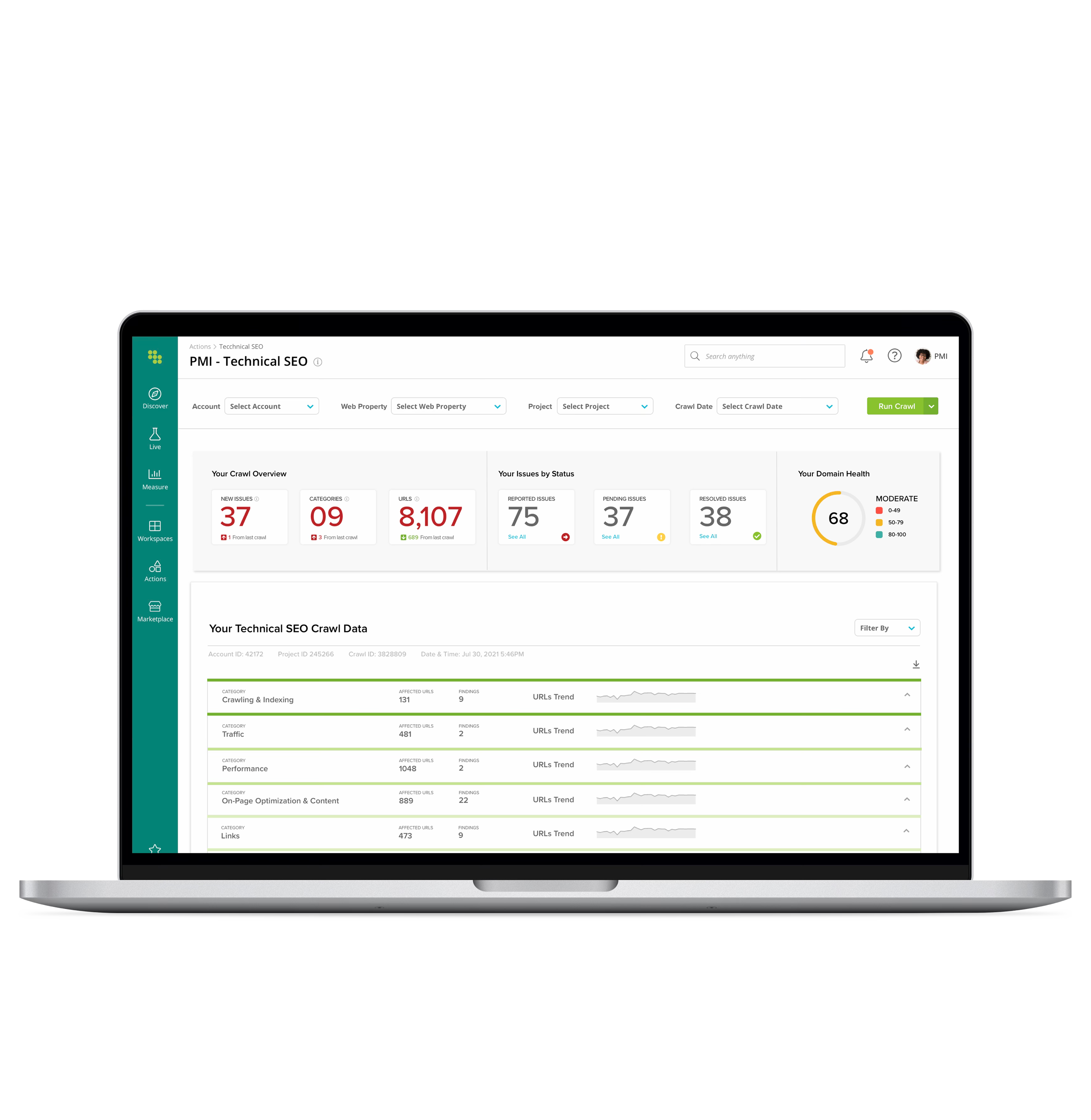
Business opportunity discovered through design — saving a $2M annual contract by integrating Technical SEO into Conductor's organic marketing platform.
Conductor lacked integrated Technical SEO data visualization — CSMs manually created spreadsheets for quarterly meetings while a $2M account threatened non-renewal.
An integrated crawling and reporting module that saved 25% of dataset search time, renewed the PMI contract, and directly influenced Conductor's acquisition of Content King.
We conducted 25 interviews across three groups — internal Customer Success Managers, Conductor clients interested in Technical SEO, and heavy Deepcrawl data users. The focus: understanding how clients measured Technical SEO impact, their processes for resolving issues, and the most common problems encountered.
"Measuring success when the issue is technical is often a dead end for us. Clients don't know how to implement the recommended changes and don't have a process for working with internal development teams."
— Conductor Customer Success Manager
CSMs and clients lacked access to internal technical teams capable of implementing fixes. They couldn't advocate for development work without data-driven business cases — measuring success on technical issues was a dead end.
Philip Morris International — a $2M annual account — threatened non-renewal due to missing Technical SEO integration. CSMs were manually creating spreadsheets for quarterly client meetings because the platform had no native data visualization.
Research distilled into three design goals: data must be easily digestible, issue prioritization must be automated, and the system must enable two-way communication with developer issue-tracking systems.
Conductor had an existing partnership with Deepcrawl for SEO data access, but adoption was low. The core problem wasn't crawling — it was making results actionable for non-technical stakeholders. CSMs needed digestible data and automated prioritization to advocate for technical changes with executive teams.

Running Crawls — users execute crawling projects directly within Conductor, managing multiple crawls across accounts.
Integrated Crawling
Users select Account, Web Property, Project, and Crawl Date — then run crawls directly from Conductor, eliminating context switching to third-party tools.
The solution centered on three Quick Snapshot widgets that gave CSMs and clients an immediate understanding of their Technical SEO health — designed to be digestible enough for non-technical stakeholders to use in executive conversations.
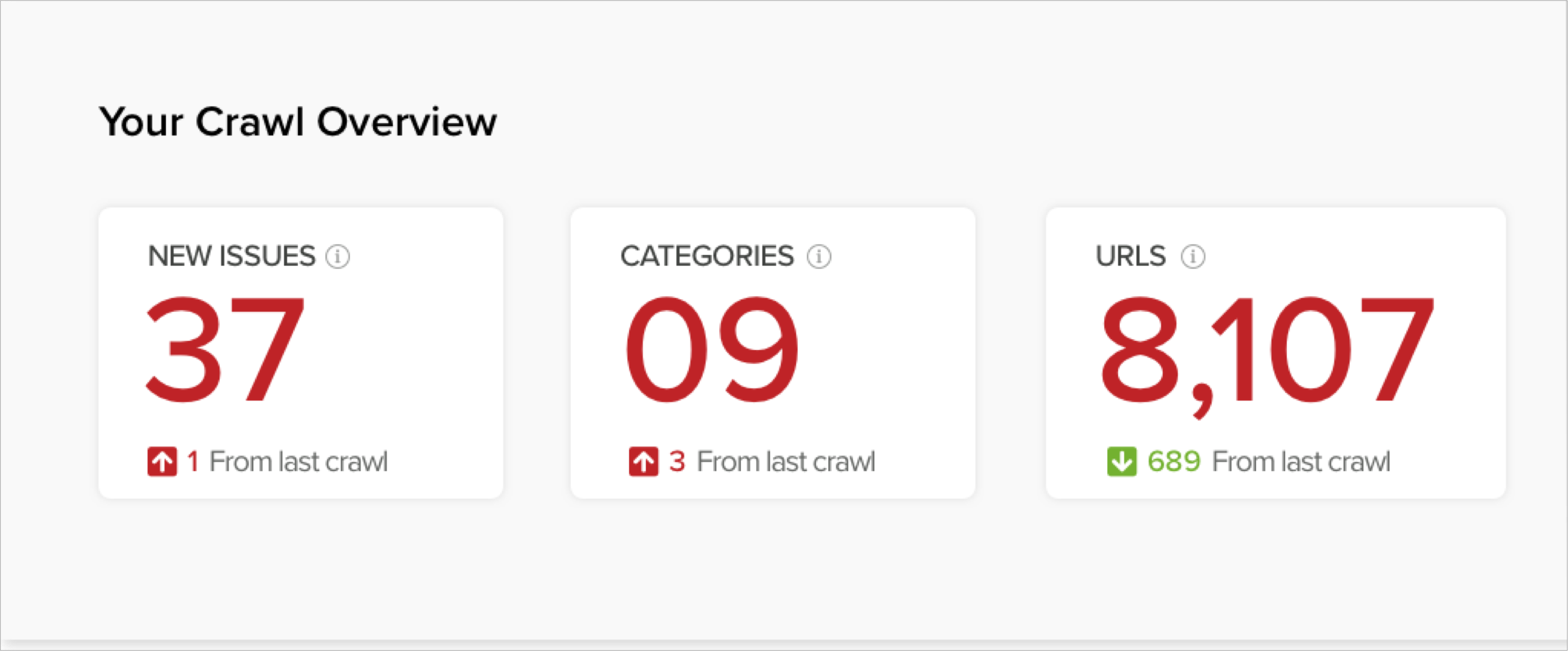
New issues, categories affected, and URLs — with previous-crawl comparison. Red numbers convey urgency for executive conversations.
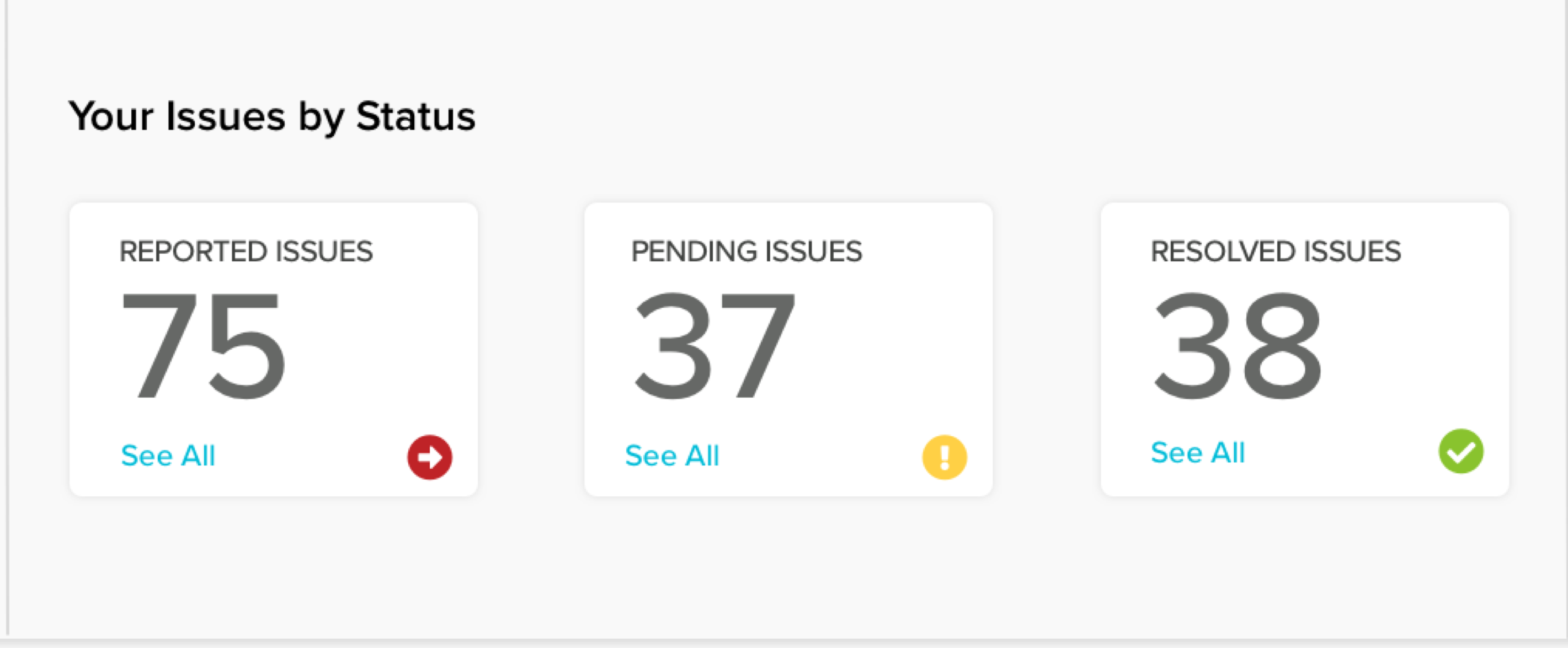
Two-way JIRA integration. Automated issue reporting from crawl findings enables correlation between SEO investment and rankings.
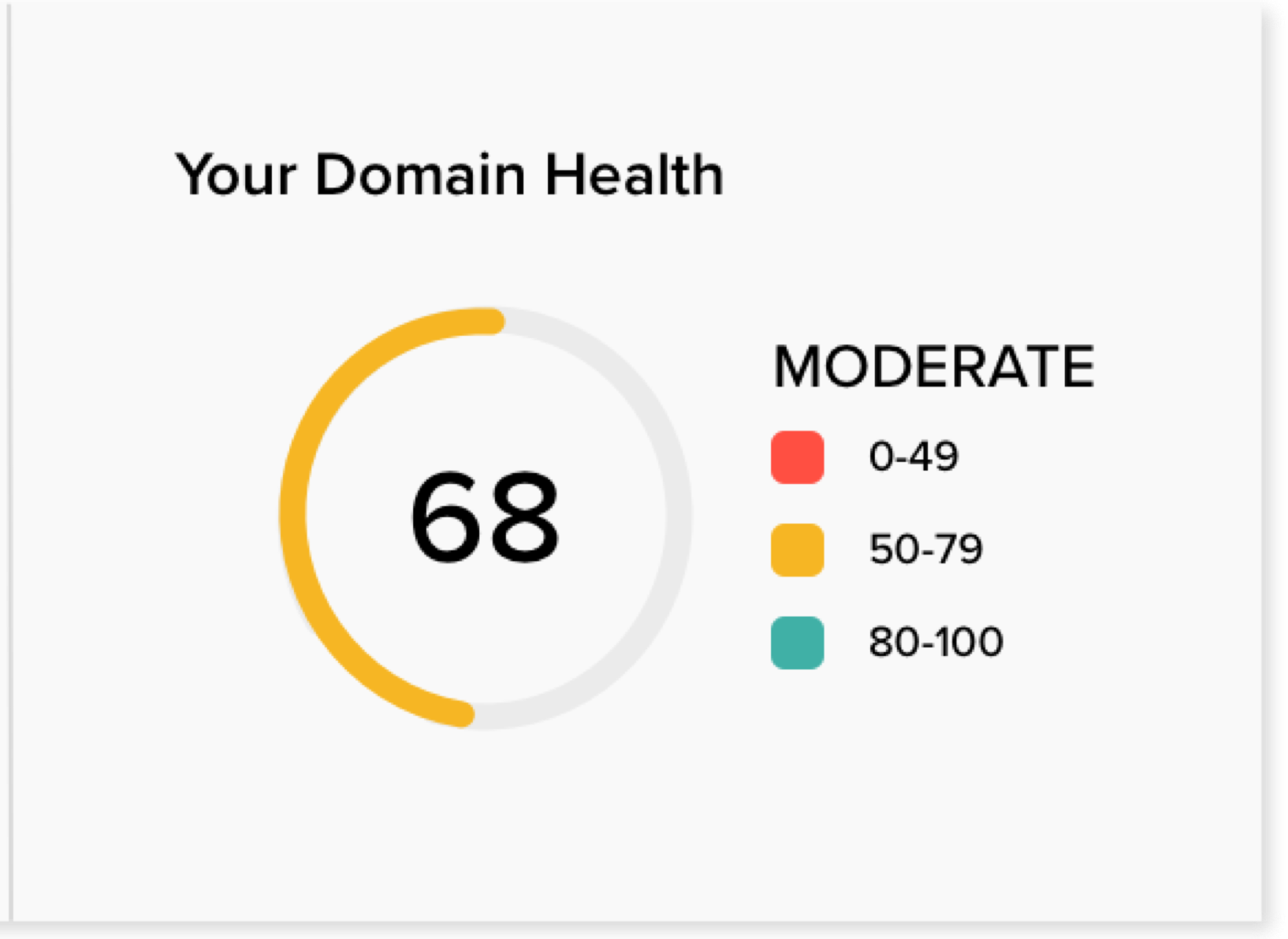
Overall integrity assessment and domain security. A single score non-technical stakeholders can immediately understand.
Below the widgets, Data Panels provided detailed crawl reporting with URL-level investigation, full or partial data export, and direct integration with issue-tracking systems. Color-graded green bars emphasized issue criticality using the CSM prioritization model.
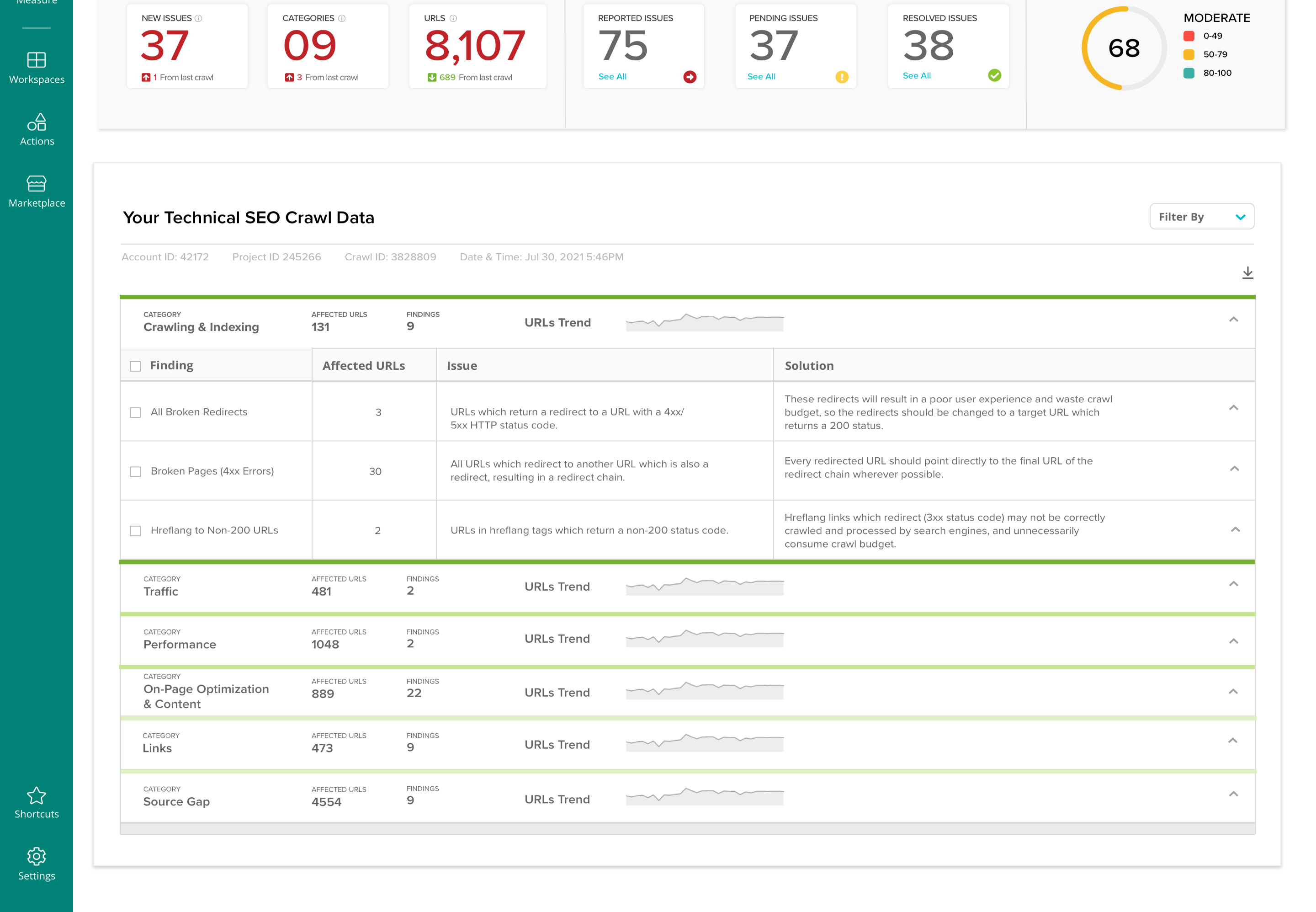
Data Panel — expanded view with Finding, Issue, and Solution columns for each crawl category.
Issue Breakdown
Each crawl category expands to reveal individual findings with affected URLs, the specific technical issue, and a recommended solution — making results actionable for non-technical stakeholders.
Prioritization Model
Color-graded green bars indicate criticality at a glance using the CSM prioritization model — enabling teams to focus on the highest-impact issues first.
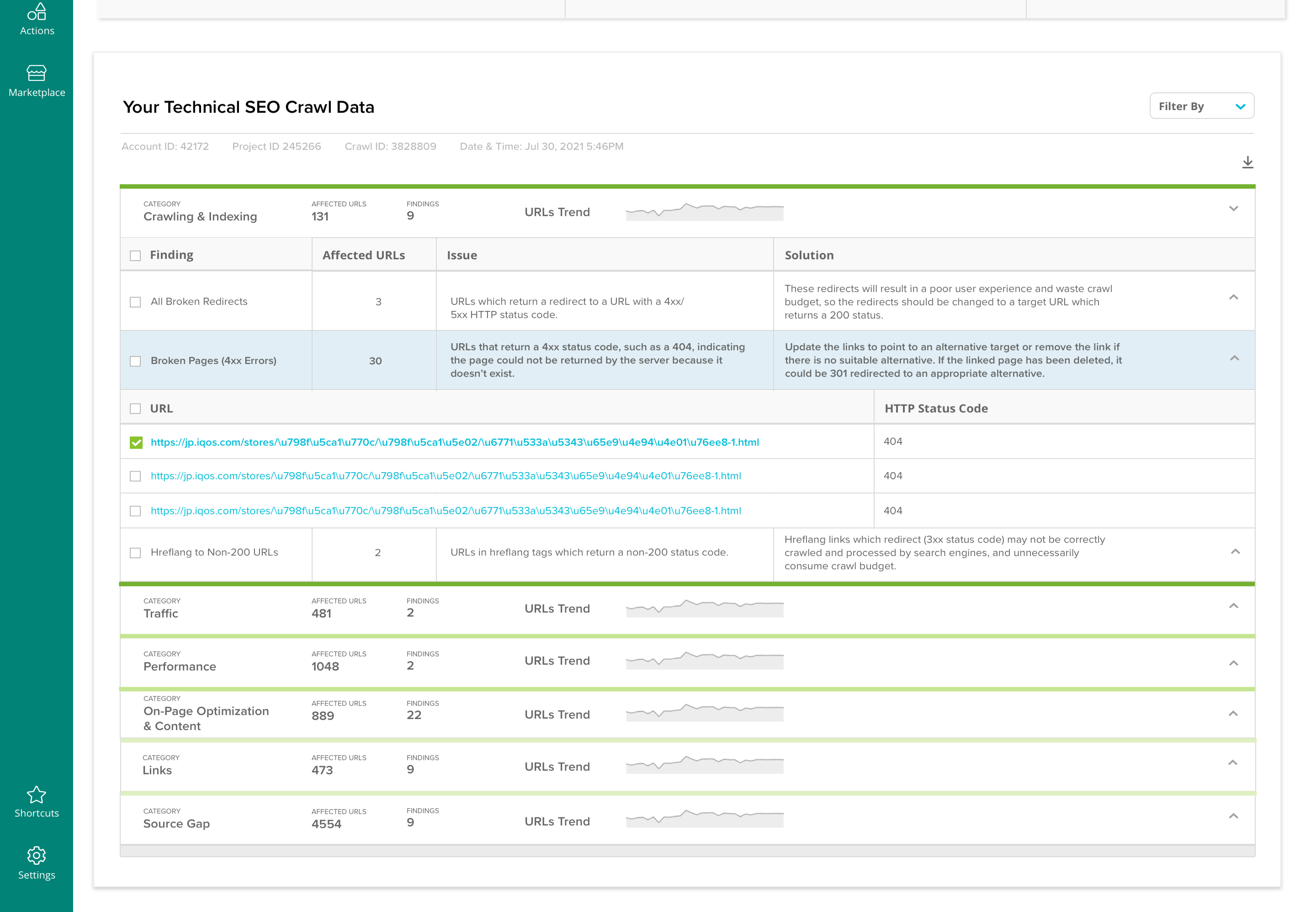
URL-level drill-down — every issue traceable to specific pages with HTTP status codes.
URL Investigation
Clicking into a finding reveals the specific URLs affected, with HTTP status codes and direct links — enabling developers to identify and fix issues without additional tooling.
Export & Integration
Full or partial data export and direct integration with JIRA — issues flow from crawl results to developer tickets without manual re-entry.
The Technical SEO module shipped as an integrated feature within Conductor's platform. PMI went from wanting to cancel to renewing 50% of the annual contract.
More significantly, the research findings presented to the executive team directly influenced the decision to acquire Content King — making Technical SEO a core part of Conductor's product strategy rather than a third-party add-on. The work reframed what started as a feature request into a company-level strategic shift.
25 interviews reframed a feature request into a retention crisis — findings directly influenced the executive decision to acquire Content King.
CSMs couldn't push for technical changes without business cases. Automated prioritization and visual data gave them the evidence they needed.
Two-way JIRA integration proved more valuable than standalone dashboards — correlating SEO investment with ranking improvements closed the feedback loop.